
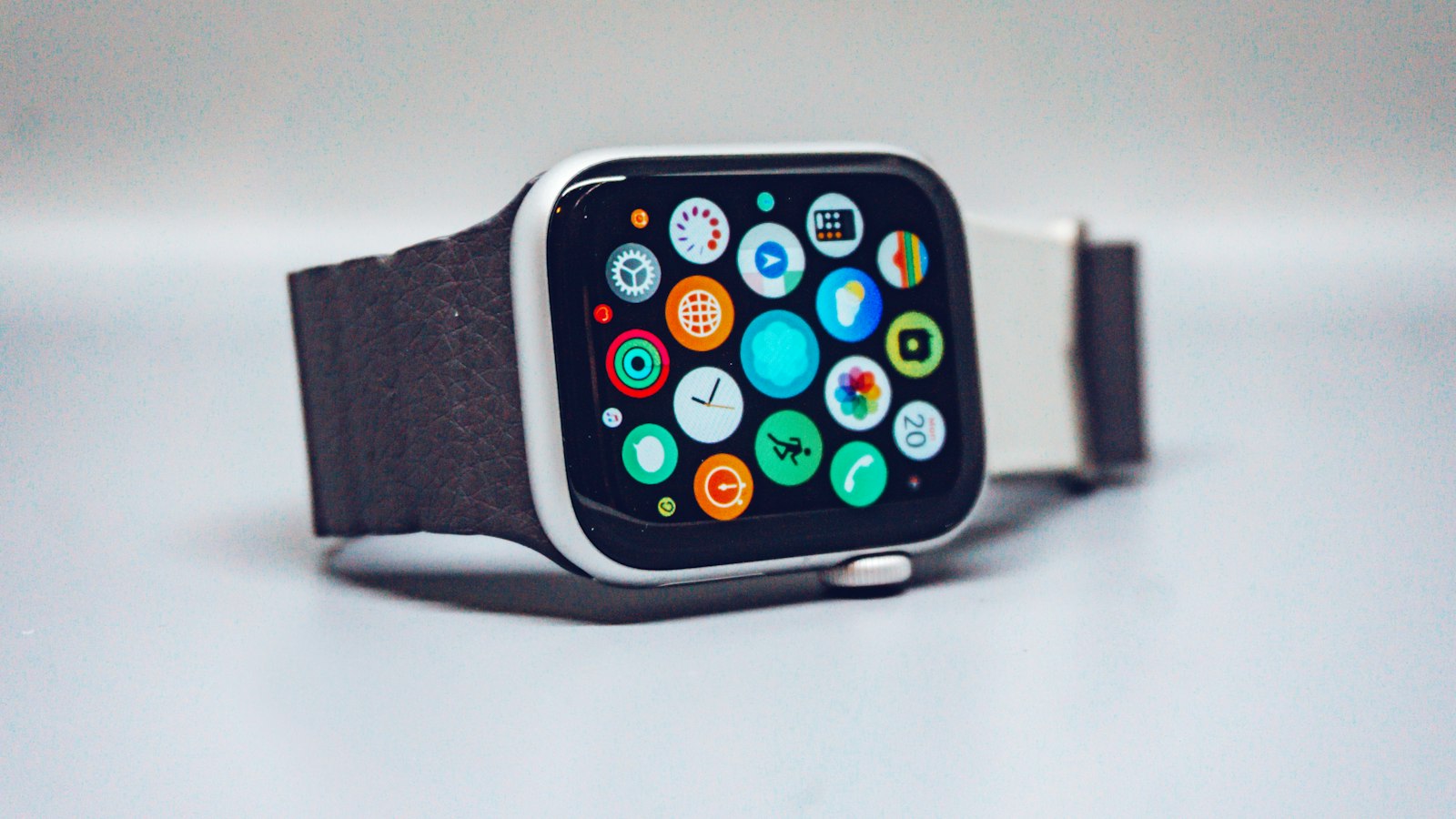
At TechCrunch Disrupt, Panos Panay (devices chief, Alexa & Leo at Amazon) described 'ambient computing': devices that work quietly in the background, with sensors and AI, to 'figure out what needs to be done' rather than wait for a command. His standout line: he believes in “a generation that doesn't say ‘give me the app' for that, but says it should just understand what I need.” Amazon used the moment to launch two Bee devices (a band/pendant and a credit-card-sized card) that record audio continuously but process it locally, delete the raw sound immediately, and encrypt transcripts with keys only the user controls. One important detail: Panay refuses determinism — 'I'm not a proponent that one form factor is going to replace another' — he sees instead multiple devices tied together by an 'intelligence layer.'
The headline scares anyone who builds apps; the substance reassures. Even Panay says it: this isn't about replacing, but diversifying how you reach the service. 'Open the app' may fade as a phrase — but what actually does the work (the logic, the data, the business rules, the connection to services) still has to live somewhere. At Devside, that's exactly what we build: a capability, not a screen. Whether it's surfaced through a touch interface, a voice, or an ambient device is a question of surface, not of existence. Two things we take away: design the core of the product independently of the screen that shows it, and borrow the privacy model described here — local processing, raw audio deleted, keys on the user's side. The app isn't dying; it's just learning to show up differently.